Book: A Groovy Retro Display Font for Creative Projects
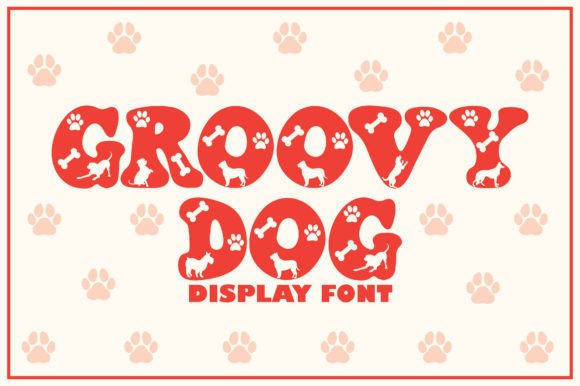
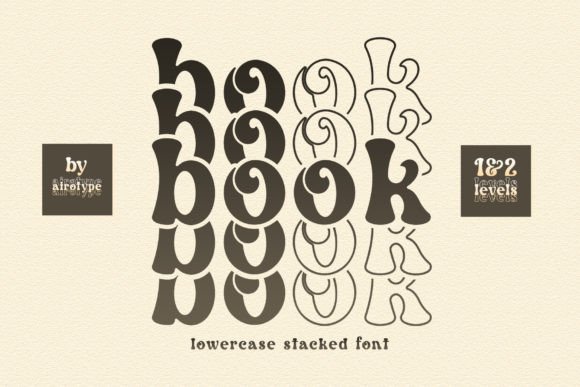
Imagine a typeface that doesn't just sit on the page but bounces with energy, instantly transporting your design to a sun-drenched, vinyl-spinning era. That's the captivating power of the Book font. This lively, retro-inspired stacked display font radiates groovy vibes with its playful curves and vintage charm, making it a standout creative font for designers seeking to inject personality and nostalgia into their work.
At its core, Book is a premium display font designed to be a visual centerpiece. Its stacked letterforms and funky, rounded shapes are a direct homage to the vibrant typography of the 1960s and 70s. This isn't a subtle serif font or a neutral sans serif font; it's a statement typeface built for headlines, logos, and moments where you want your design to shout with joy and confidence. The inherent energy in its letterforms makes it perfect for projects that aim to feel fun, youthful, and authentically retro.
Where Does This Creative Font Shine?
The versatility of Book is one of its greatest strengths. While it excels in certain areas, its application can be surprisingly broad. Consider using it for:
- Poster Design & Event Graphics: Its high-impact nature is ideal for music festivals, retro-themed parties, or sale announcements where you need to grab attention from a distance.
- Album Covers & Merchandise: Instantly evoke a classic rock or psychedelic pop aesthetic for band logos, t-shirt designs, and vinyl sleeve art.
- Brand Identity & Logo Design: For brands targeting a fun, nostalgic, or youth-oriented market, Book can form the core of a memorable logo that stands out in a crowded marketplace.
- Packaging Design: Give product packaging—especially for food, beverages, or cosmetics—a charming, retro look that tells a story and connects with consumers on an emotional level.
- Social Media Graphics: Create eye-catching Instagram posts, YouTube thumbnails, or TikTok visuals that stop the scroll with their vibrant, vintage energy.
Tips for Choosing and Using Book Effectively
Before you hit that font download button, a little planning will ensure you get the most out of this typeface. Here’s how to approach it:
Prioritize Readability: As a display font, Book is crafted for impact at larger sizes. Always test it at the intended size for your project. It works beautifully for short headlines and pull quotes but is generally not suited for long body text. Pair it with a clean, highly legible sans serif font or a simple serif font for paragraphs to create a balanced and professional layout.
Match the Mood: The groovy, retro style of Book is a specific mood. Ensure it aligns with your project's overall tone. It’s a perfect fit for designs that are playful, energetic, and vintage-inspired. For more formal or minimalist projects, it might not be the right choice.
Explore Font Pairings: One of the best ways to use a creative font like Book is in a thoughtful pairing. Try combining it with a geometric sans serif for a modern-retro contrast, or with a simple handwritten font for a cohesive, casual feel. This contrast helps your hierarchy and ensures your message is clear.
Check the Details: Review the font’s character set. Does it include the punctuation, numerals, and symbols you need? Also, confirm the licensing. A commercial font license is essential if you plan to use it in client projects, on merchandise for sale, or in digital products.
The Professional Edge of a Well-Chosen Typeface
Investing in a quality font like Book is an investment in your design's professionalism. The right typeface does more than just display words; it communicates emotion, builds brand recognition, and ensures visual consistency across all your materials. A cohesive font strategy—using a display font for impact and a complementary body font for clarity—immediately elevates a design from amateur to polished.
Ultimately, choosing a font is about finding the right voice for your visual story. Book offers a distinctive, vibrant voice that’s full of character and nostalgic charm. By considering your project’s needs, testing its application, and pairing it wisely, you can harness its groovy energy to create designs that are not only beautiful but also deeply engaging and memorable. It’s a valuable design asset for anyone looking to make a bold, creative statement.